Move with more confidence
We ask what pain is keeping you from doing—walking, reaching, golfing, working or exercising—and use those goals to track meaningful progress.

Home › Advanced Pain Therapy › PRP
ULTRASOUND-GUIDED · XCELL PLATELET-RICH PLASMA
Less time planning around pain. More possibilities for the way you want to move.
Does knee pain make stairs frustrating? Does your elbow protest every pickleball match—or your heel ache when you first get out of bed? When the same joint or tendon problem keeps returning, you want an approach that starts with understanding why.

At Cleveland Health Center, we offer platelet-rich plasma (PRP) injections for selected joint, tendon and soft-tissue conditions. Our personalized approach brings together XCELL high-concentration PRP preparation, musculoskeletal ultrasound evaluation, and image-guided precision when appropriate. We also consider rehabilitation and complementary therapies when they fit your diagnosis.
YOU DESERVE ANSWERS, NOT ANOTHER GUESS
Maybe physical therapy helped—but not enough. Maybe the same knee swells after every long walk, or gripping a club still brings back elbow pain. Sometimes the question isn't “What injection should I get?” but “What is actually causing this, and what options are worth discussing?”
We ask what pain is keeping you from doing—walking, reaching, golfing, working or exercising—and use those goals to track meaningful progress.
PRP is an in-office injection that may be discussed before more invasive treatment for selected problems. It does not replace surgery when surgery is truly necessary.
We explain the diagnosis, realistic benefits, alternatives and costs so you can decide whether PRP fits your situation.

EXPLAINED IN PLAIN ENGLISH
PRP is a treatment made from a sample of your own blood. Your blood contains platelets—tiny components involved in normal tissue-repair signaling. At Cleveland Health Center, we use the XCELL PRP system to process the blood and prepare a platelet-rich plasma formulation, which is then delivered to a carefully selected treatment area when PRP is appropriate for your condition.
Platelets contain proteins called growth factors that help regulate the body's repair signals. PRP is being studied for certain forms of arthritis and difficult-to-settle tendon injuries. For some people, it may improve pain and function over time. Results differ by diagnosis, the preparation used, and the individual patient.
The point is not to promise that PRP regrows lost cartilage, permanently heals every tear or prevents surgery. The goal is to identify a sound reason to consider it as one part of your treatment options.
Educational overview of platelet-rich plasma and XCELL preparation. Individual treatment is based on your diagnosis, evaluation and treatment plan.
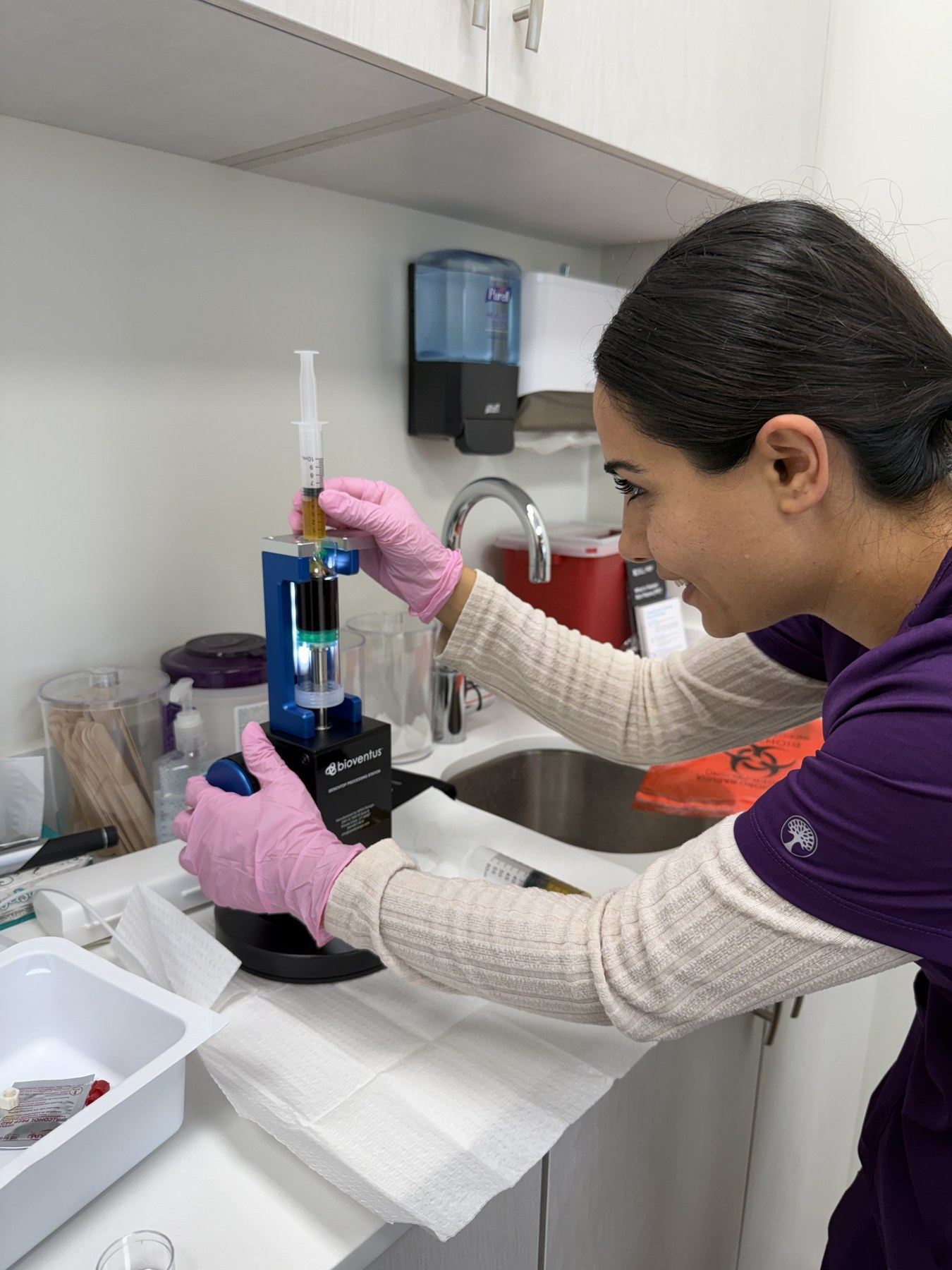
PREPARED AT CLEVELAND HEALTH CENTER
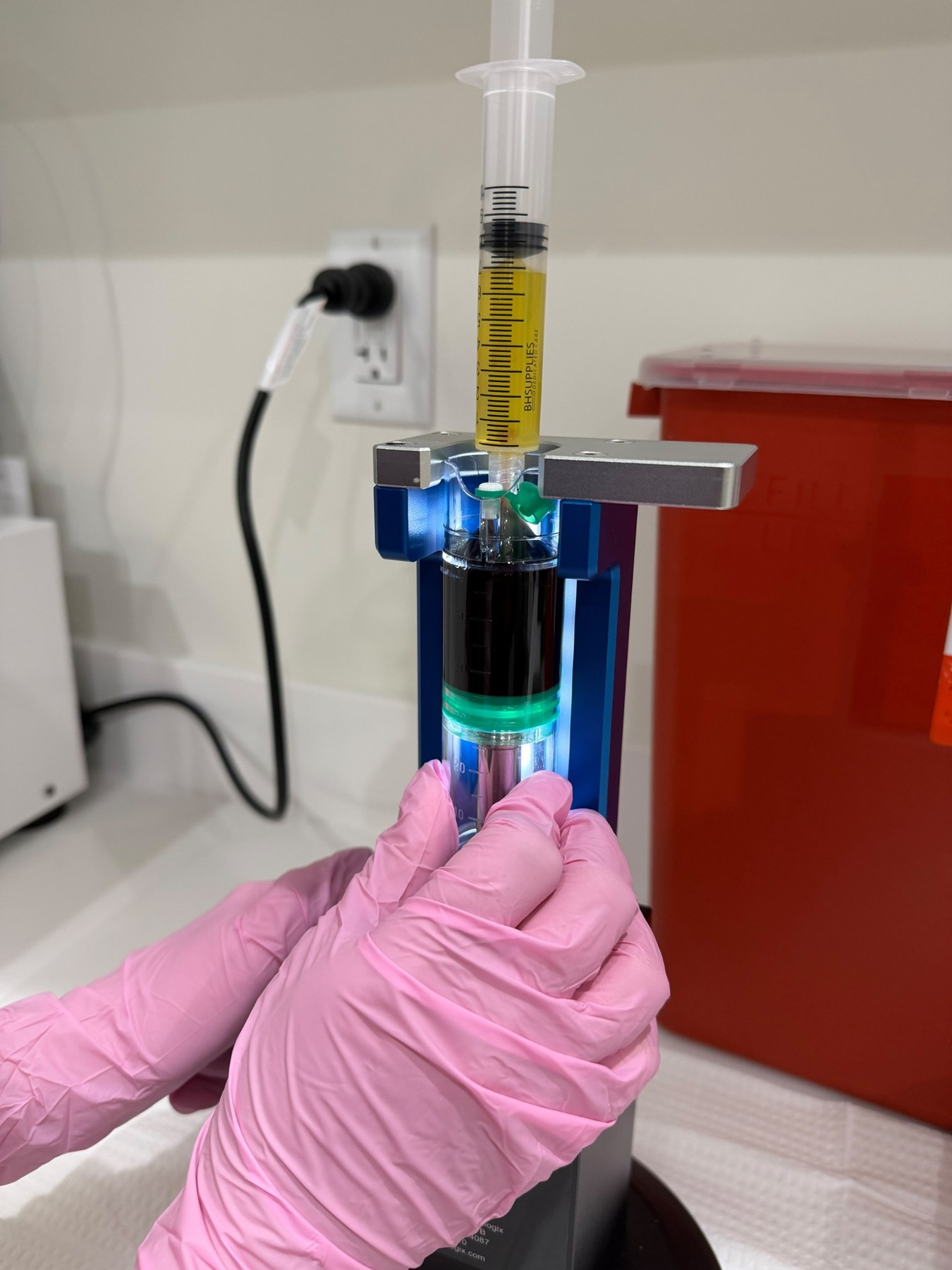
At CHC, a blood sample is processed with the XCELL system to prepare platelet-rich plasma for the selected treatment plan.
WHY PATIENTS ASK ABOUT PRP
There are many reasons patients ask about PRP. It uses their own blood; it can be performed without an operating room; and it offers a different approach from medications designed mainly to control inflammation or symptoms. Importantly, it is only worth considering when the diagnosis makes sense.
Knee joint symptoms are different from tennis elbow, plantar heel pain or a thumb ligament injury. We do not use one protocol for every problem.
An examination, previous records, and imaging when needed help us identify what is actually causing your pain.
We listen for changes that matter to you: standing comfortably, sleeping better, returning to sport, or getting through the day with less limitation.
FIND YOUR PAIN · UNDERSTAND YOUR OPTIONS
From knees and heels to elbows, hands and shoulders, PRP has been used and studied in many body areas. The important question is which conditions have meaningful evidence—and which ones call for a different first-line treatment.
Stiffness, swelling or aching when you walk, climb stairs, play pickleball or get out of a chair. PRP may help some people with pain and function, especially when arthritis is not advanced; recommendations across professional societies differ.
Pain just below the kneecap with stairs, exercise or squats. PRP may be considered alongside progressive tendon-loading rehabilitation.
Persistent soreness or stiffness behind the ankle when you first walk or return to exercise. Results with PRP are mixed; strengthening remains important.
A sharp first step when you get out of bed, or heel pain after a long day on your feet. PRP may be discussed after appropriate stretching, footwear care, and other treatments.
Pain along the outside of your hip when walking or sleeping on one side can sometimes come from the gluteal tendons. We evaluate whether PRP has a role or whether another approach makes more sense.
Selected peroneal tendons, ankle ligaments, and other chronic soft-tissue injuries may be assessed when a specific tissue problem is identified. Complete tears or unstable injuries may need other care.
Pain on the outside of the elbow when shaking hands, carrying a grocery bag, playing pickleball or lifting objects. One of the better-studied tendon indications for PRP.
Pain on the inside of the elbow when gripping, swinging a golf club or using tools. PRP may be considered after an individual tendon assessment.
Shoulder pain with reaching, lifting or sleeping on that side. PRP evidence is inconsistent, and routine injections are not supported by current AAOS guidance for rotator cuff tendinopathy or partial tears.
Pain opening jars, turning keys or pinching objects may come from arthritis where the thumb meets the wrist. PRP research is early; we discuss splinting, therapy and other established options too.
Stiffness or pain in the small hand joints, wrist or elbow. PRP use for these joints is less established than for some knee or tendon conditions.
Pain and tenderness along the thumb side of the wrist, often with grasping or lifting. PRP is not standard first-line therapy; assessment helps identify better-supported options.
A finger that catches, clicks or locks while you bend it. PRP is investigational compared with well-established treatments such as splinting, corticosteroid injection or release.
Numbness or tingling in the thumb, index and middle fingers deserves a nerve-focused evaluation. Current AAOS guidance finds PRP does not provide long-term benefit for carpal tunnel syndrome; we do not present it as a proven treatment.
Pain on the little-finger side of the wrist with twisting or weight-bearing can involve the triangular fibrocartilage complex. PRP for selected partial injuries is emerging and should follow accurate diagnosis.
Pain and weakness with wrist-loading can be related to a partially injured scapholunate ligament. PRP cannot replace stabilization for an unstable or complete ligament tear.
Medial elbow pain after throwing or repetitive strain may involve the ulnar collateral ligament. PRP is considered only for selected injuries alongside rehabilitation and specialist judgment.
Certain painful or tethered scars may need evaluation, physical therapy, procedural or dermatologic treatment. PRP remains a selected adjunct rather than an established stand-alone cure.
Pain from a clearly identified soft-tissue or tendon problem near the back may prompt a discussion of PRP in select cases. PRP is not a standard treatment for nonspecific back pain or a proven way to reverse disc degeneration.
Persistent tendon overuse or small partial ligament injuries in other body areas can be assessed individually, especially when targeted rehabilitation has not been enough.
We evaluate these concerns but do not claim equal evidence for each. A complete tear, unstable joint, compressed nerve, advanced arthritis or unexplained pain can require an entirely different plan. “Evaluated” does not mean PRP is automatically recommended.
A CLOSE LOOK AT KNEE ARTHRITIS
Getting out of a chair should not have to feel like a major effort. Neither should a walk with friends, a round of golf, or climbing a flight of stairs.
For selected people with symptomatic knee osteoarthritis, PRP may be considered to help reduce pain and improve everyday function. Studies suggest some patients benefit, although results are inconsistent and professional guidelines are not fully aligned. The 2026 AAOS knee guideline rates PRP as a limited-strength option; the American College of Rheumatology's earlier guideline recommends against routine use because PRP preparations and studies vary.
At CHC, we evaluate arthritis severity, other reasons the knee may hurt, previous treatments, and your activity goals. We discuss exercise and strengthening, medications, corticosteroid injections, hyaluronic-acid gel injections and specialist referral where appropriate.
PRP is not a guaranteed way to rebuild worn cartilage, correct a severely unstable knee, or avoid knee replacement.
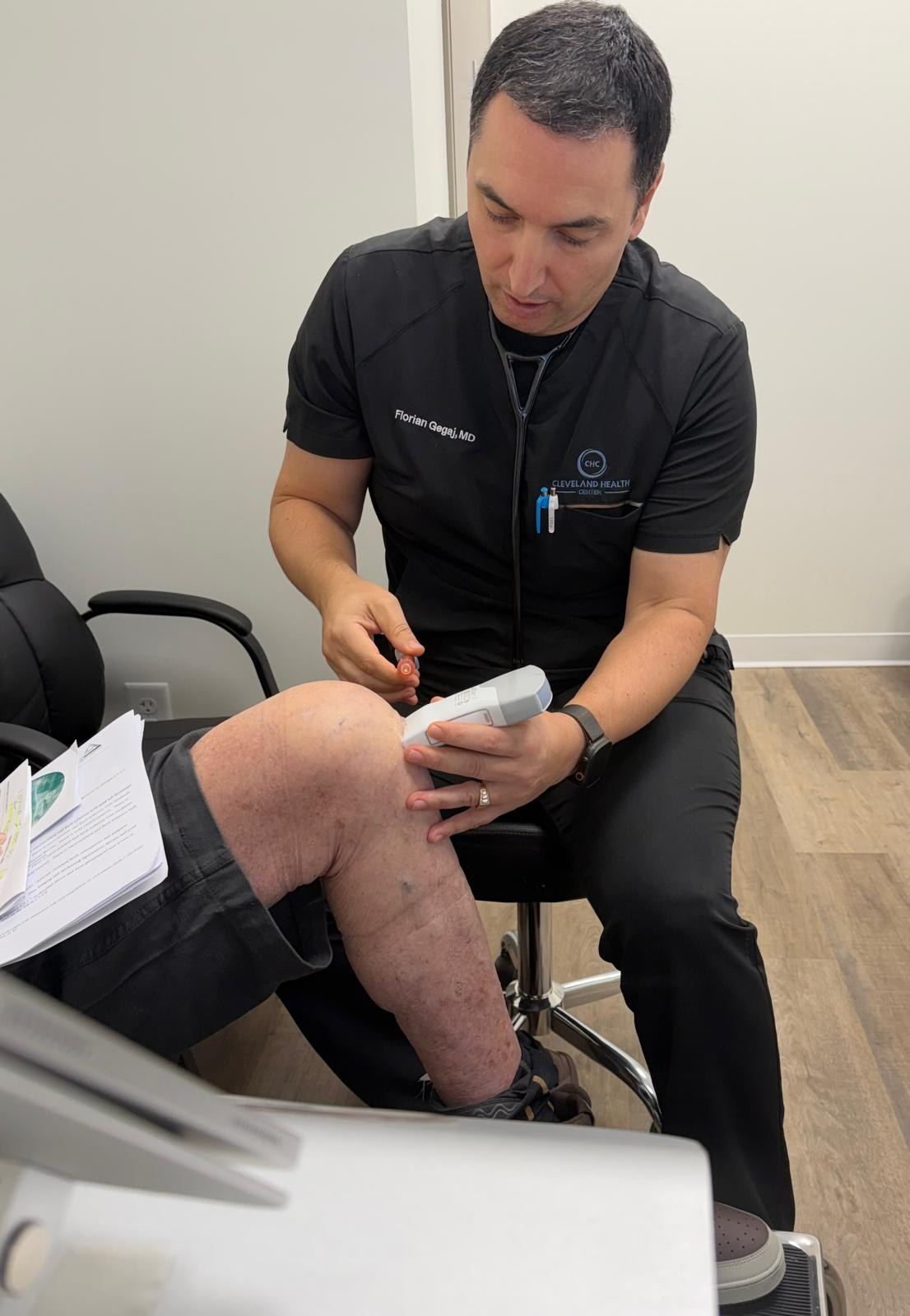
XCELL PRP · A HIGH-YIELD PREPARATION SYSTEM
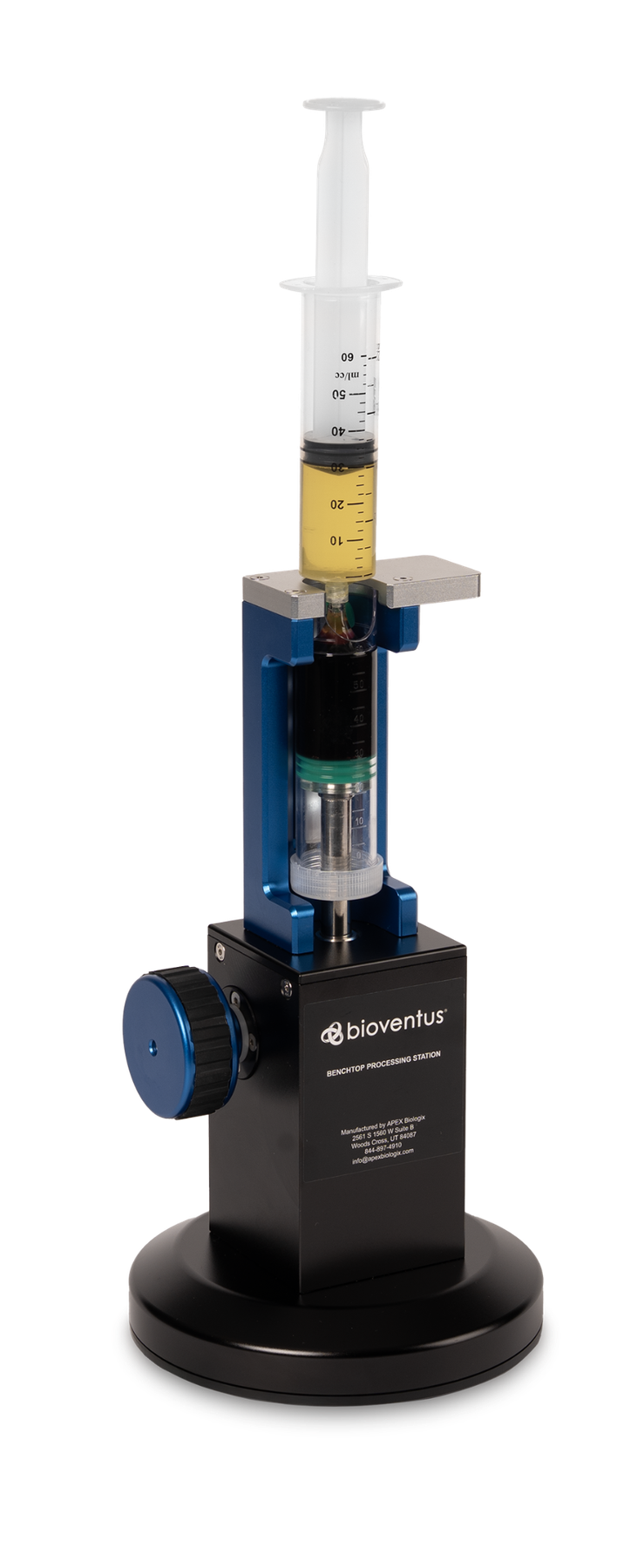
Not all PRP is prepared in the same way. The collection system, sample volume and processing steps affect what is delivered. We use the XCELL PRP system from APEX Biologix as part of our individualized approach.
Reported in testing of the 60 mL XCELL system—not a promise of the platelet count in every individual patient's preparation.
Reported by the device manufacturer's cited clinical evaluation across 70 samples.
Device capability; concentration and final dose depend on individual blood counts and the preparation protocol.
We want the PRP preparation to be deliberate—not simply whatever a generic processing kit produces. The XCELL platform can help clinicians prepare platelet-rich formulations for an individual treatment plan.
Platelet concentration is only one part of the equation. The right diagnosis, where the treatment is delivered, rehabilitation and patient factors also influence whether PRP helps. More platelets alone do not establish a better result for every condition.
Technology reference: The figures above are APEX Biologix's published findings from the XCELL 60 mL system. They describe preparation performance, not a CHC-specific success rate or a guaranteed clinical outcome. XCELL manufacturer details ↗
BETTER TARGETING BEGINS WITH BETTER INFORMATION
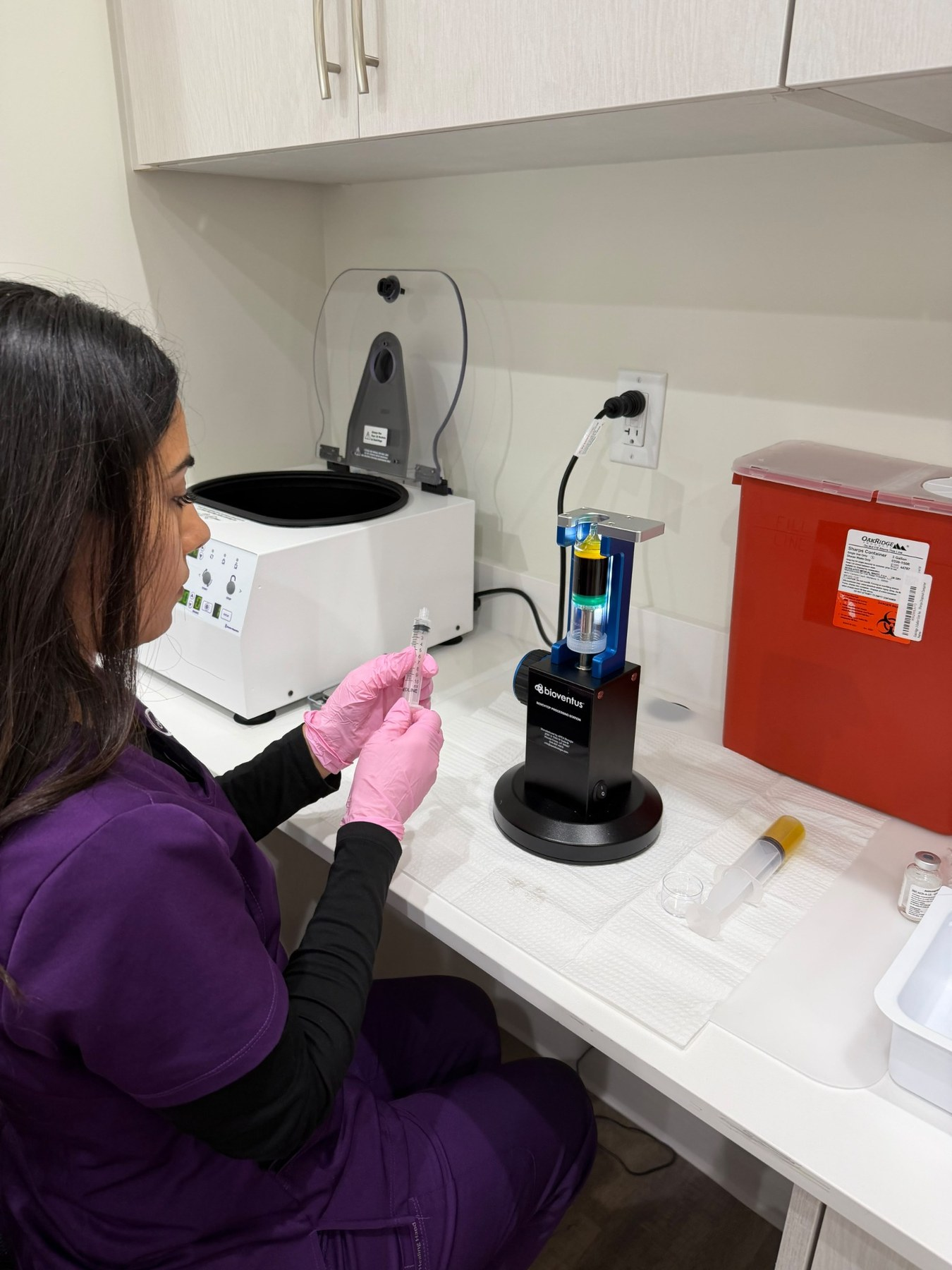
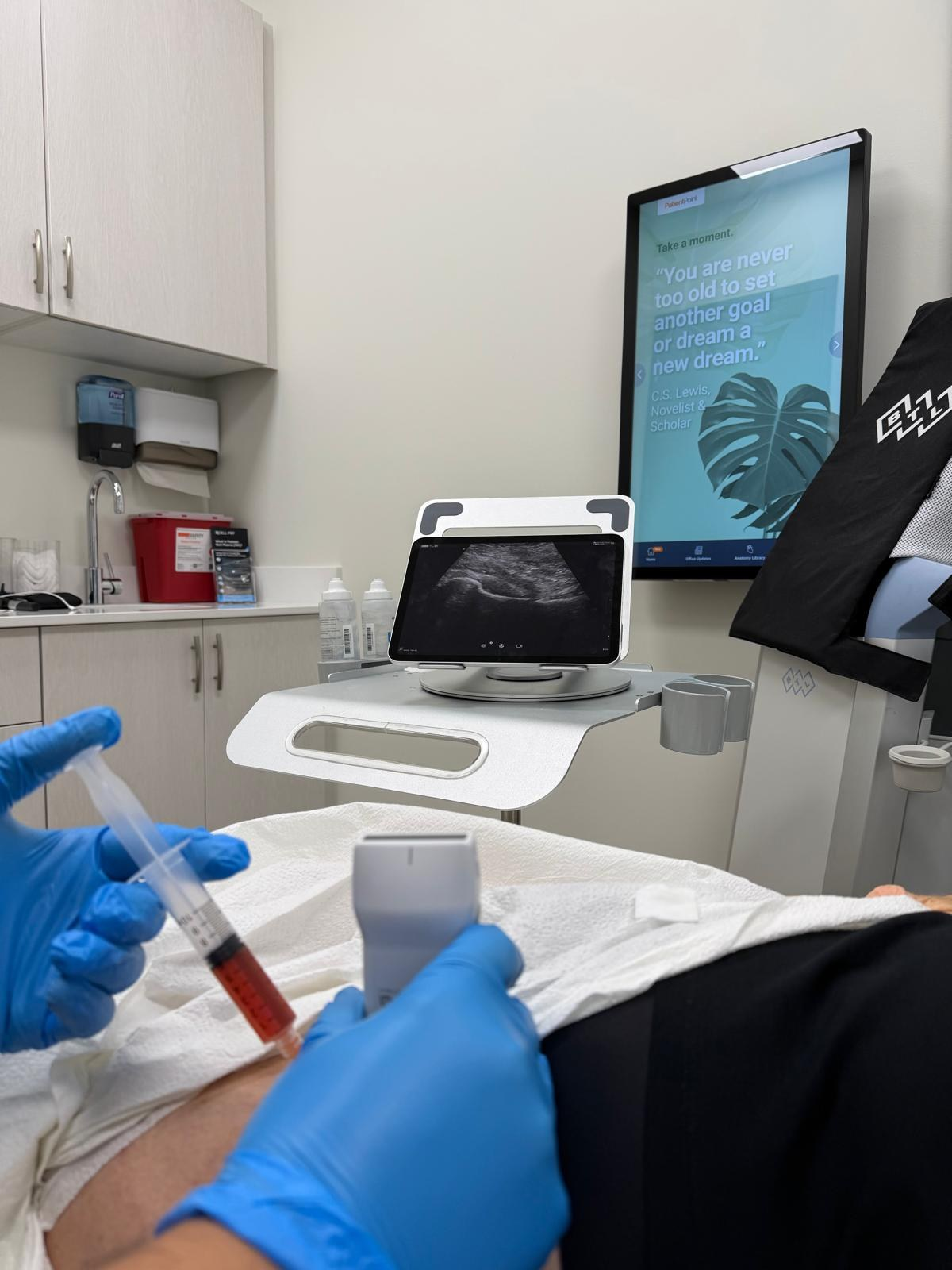
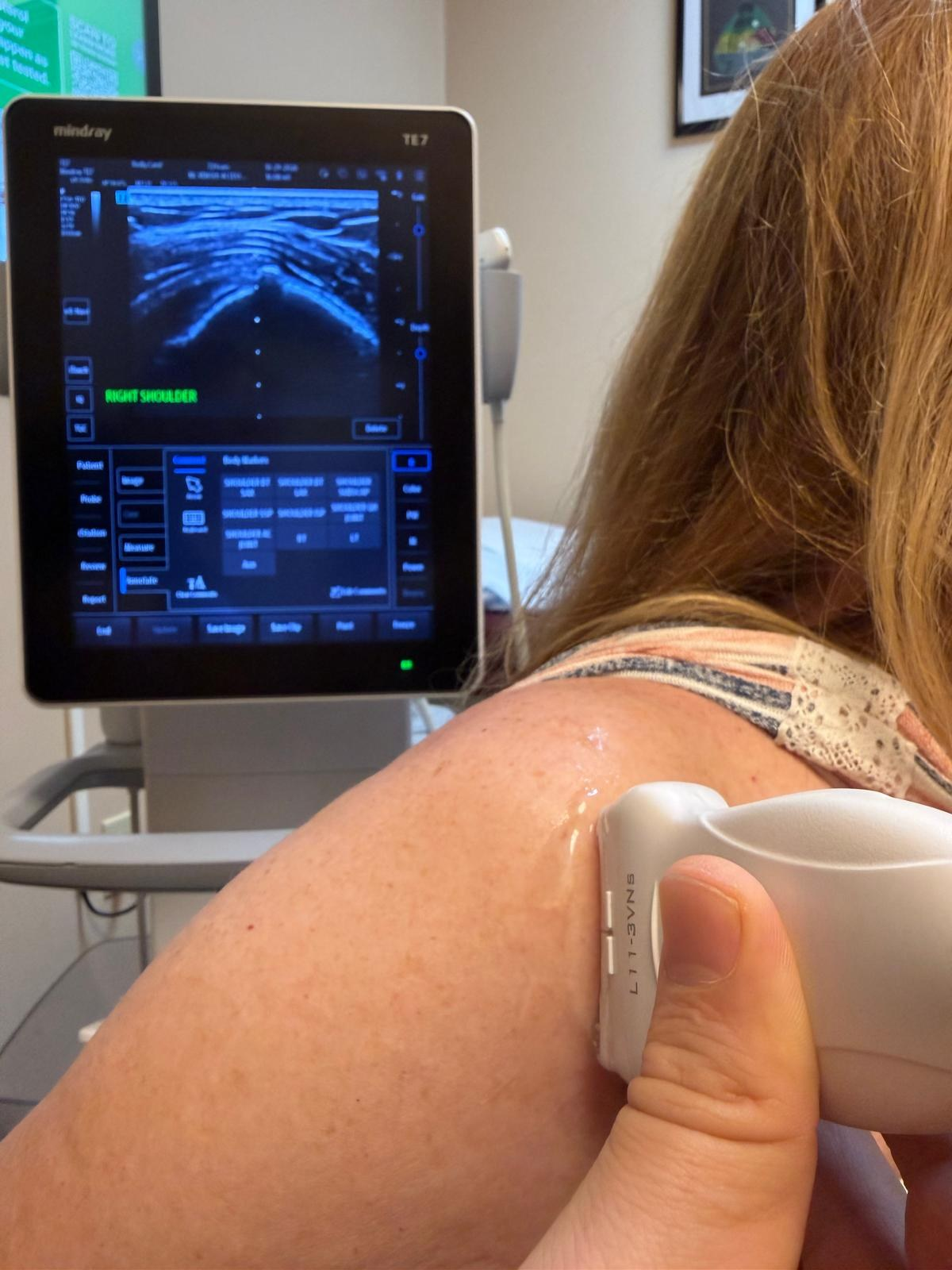
It is hard to treat what you have not properly identified. Musculoskeletal ultrasound lets us look at selected tendons, muscles, fluid collections and joint structures during your evaluation, helping us connect what we see with where you hurt.
When ultrasound guidance is clinically appropriate, the screen shows the needle advancing toward the planned target in real time. This can help the clinician place PRP more precisely in a selected tendon, ligament, joint or other soft-tissue region.
Why patients value this approach: it is specific to the anatomy being treated. Rather than assuming every painful area needs the same injection, we use an assessment-led plan and image guidance when it adds value. Not every injection requires ultrasound, and guidance does not guarantee that PRP will work.
Dr. Florian Gegaj brings more than 15 years of experience in musculoskeletal ultrasound evaluation and image-guided procedures, as described on CHC's existing pain-management page. His clinical review determines which imaging and treatment techniques suit each case.
STEP BY STEP · NO SURPRISES
You do not have to understand the centrifuge or the chemistry before your visit. You should understand what the experience will be like, why we are recommending it and what happens afterward.
We review the symptoms, what aggravates them, past treatments, medical conditions and the activities you want back. Ultrasound or other imaging may clarify the diagnosis.
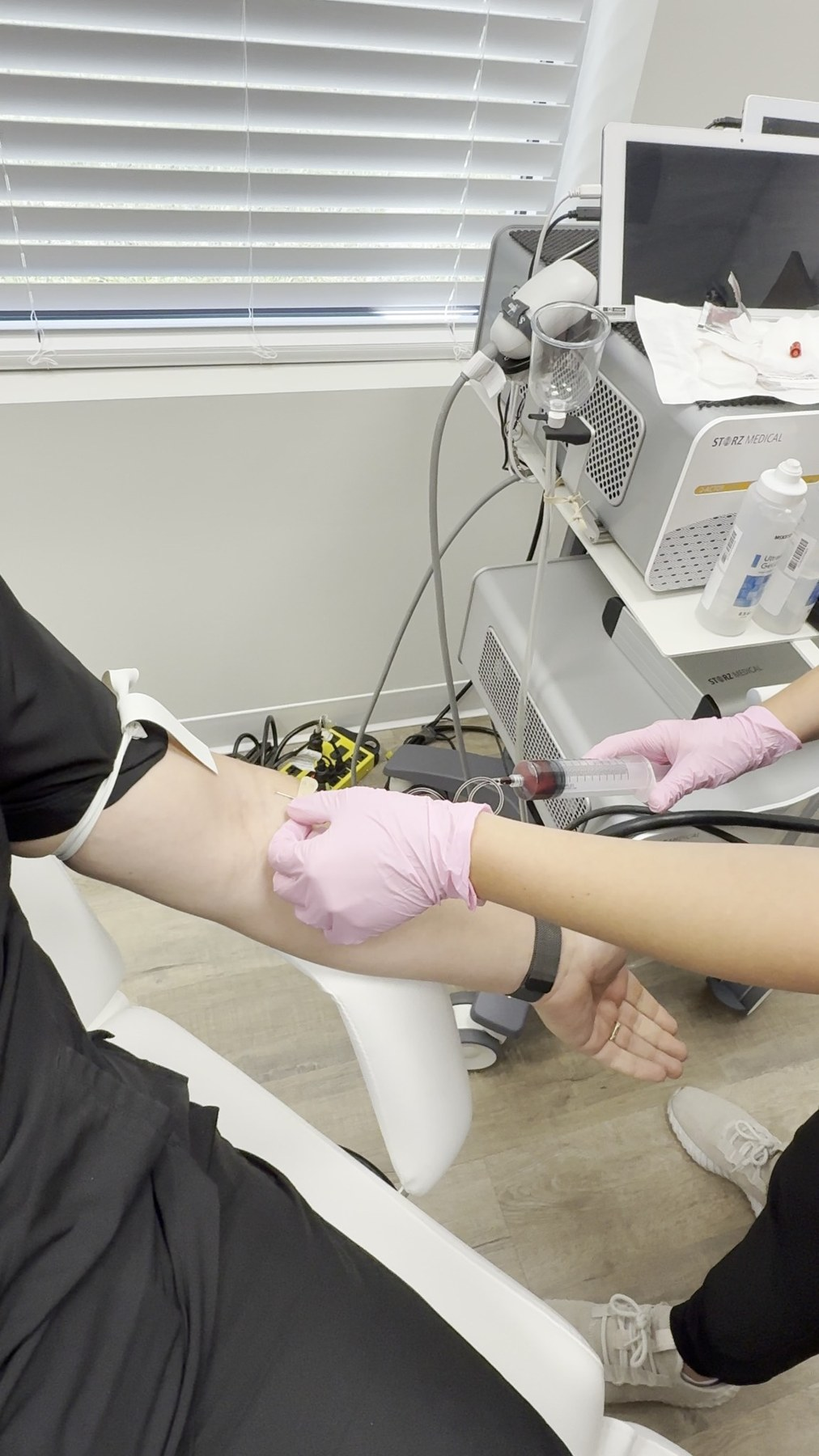
A sample is drawn from your arm, much like routine bloodwork. The amount needed depends on the chosen protocol.
The blood is processed through the XCELL preparation workflow so the platelet-rich plasma fraction can be collected for treatment. The final preparation is used as part of the individualized plan for the selected target.
We identify the joint, tendon or other structure to be treated and discuss the intended location, benefits, risks and available alternatives.
PRP is placed into the selected site. We use real-time ultrasound guidance when it is appropriate for precise placement. Your comfort plan depends on the body area.
You receive instructions about soreness, activity and follow-up. Progress is judged by meaningful changes in comfort and function—not a promise of instant relief.
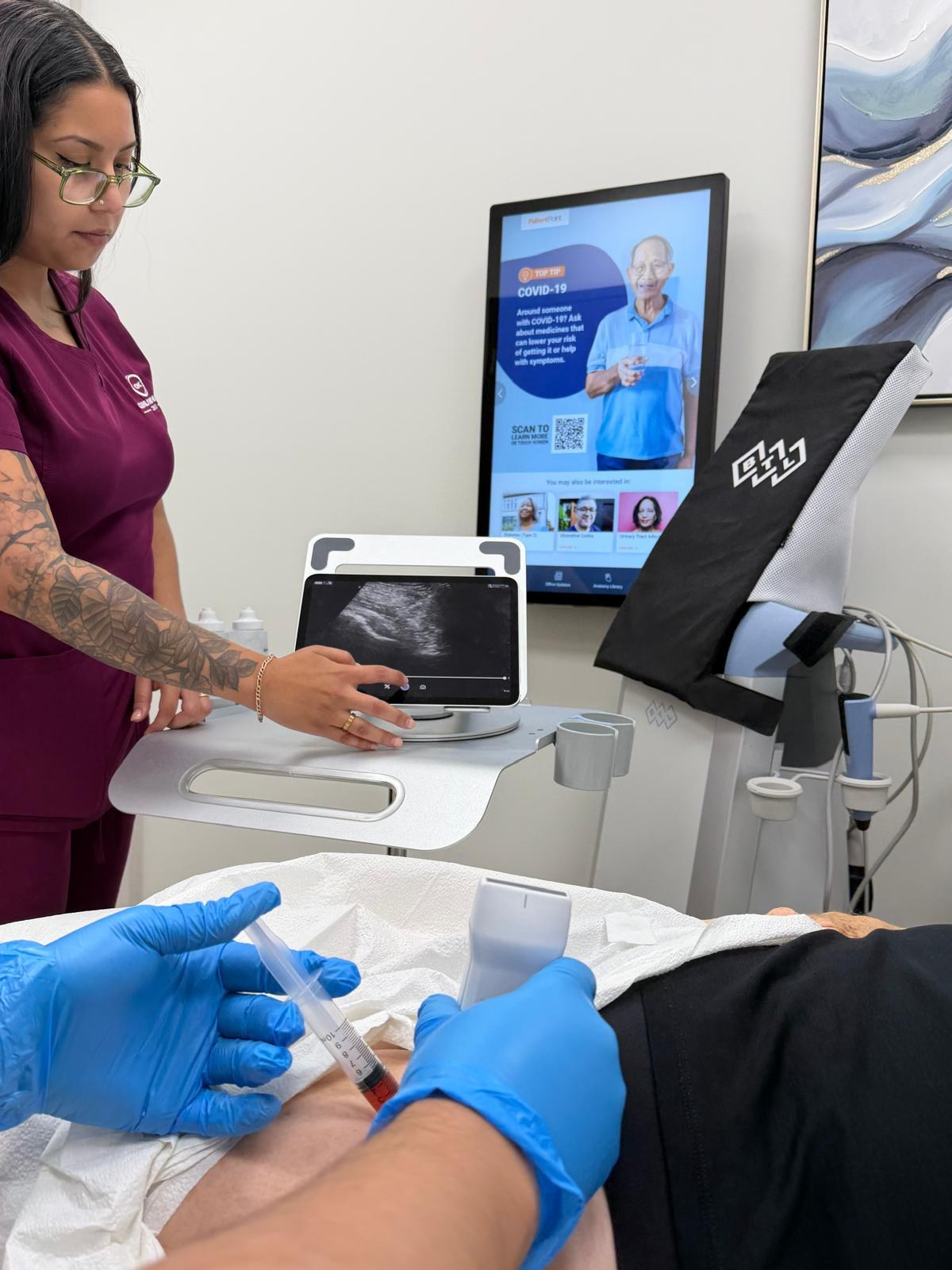
Most PRP treatment is performed in an office setting. Appointment length, anesthetic approach, number of injections, and whether evaluation and treatment occur on separate days must be confirmed by the CHC team for your individual case.
COMPARE YOUR OPTIONS
If you have tried a cortisone injection—or have been offered a “gel shot”—it is natural to wonder how PRP is different. These are different options for different situations, not a contest in which one treatment always wins.
| Question | PRP injection | Cortisone (steroid) | Gel / viscosupplementation |
|---|---|---|---|
| What is it? | Concentrated platelets made from your own blood | A corticosteroid medicine delivered locally | Hyaluronic acid intended to supplement joint fluid (mainly selected arthritis cases) |
| Why consider it? | A biologic option being studied for selected joint and tendon conditions | May provide short-term reduction in inflammation and pain | May reduce joint symptoms for some patients; guideline recommendations differ |
| When does relief begin? | Often gradual, when effective; weeks rather than hours | Often faster, sometimes within days | Varies; some effects develop over weeks |
| Does it rebuild cartilage? | Not reliably proven | No | No |
| How many sessions? | Depends on diagnosis and response | Depends on condition, prior injections and clinician judgment | Depends on specific product and condition |
| Main considerations | Post-injection soreness, uncertain response, limited coverage | Potential glucose changes and tissue risks with repeated or site-specific use | Response varies; appropriateness and coverage differ |
Your history, arthritis severity, symptoms, medications, and treatment goals matter more than choosing an injection by name. We discuss why one option—or no injection—may fit better.
INDIVIDUALIZED CARE · MORE THAN ONE TOOL
Persistent pain does not always have one contributing factor. For some patients, an injured tendon, irritated soft tissue, joint symptoms and limited movement all need attention. Having more than one option in the same practice lets us discuss a coordinated plan instead of reaching for the same treatment every time.
PRP brings a preparation made from your own blood to a carefully selected joint or soft-tissue target. It may be considered for certain persistent tendon and arthritis symptoms.
STORZ radial pressure waves (EPAT) and focused shock waves (ESWT) provide noninvasive treatment options for selected tendon and musculoskeletal problems.
STORZ MAGNETOLITH delivers magnetic-pulse therapy that may be considered for particular musculoskeletal goals, with a distinct mechanism and a developing evidence base.
A combined approach may let us address different contributors to a problem while coordinating activity modification, rehabilitation and follow-up. In selected research on tennis elbow and patellar tendinopathy, PRP plus ESWT has shown encouraging results. But those findings do not mean adding every technology works better for every joint or tendon problem.
We may recommend one therapy alone, a planned combination, or another course of care depending on the diagnosis. Timing matters: procedures are not necessarily administered at the same visit.
REALISTIC EXPECTATIONS · REAL-LIFE GOALS
We want you to be informed before you decide. PRP is not an immediate numbing injection, and there is no identical recovery experience for everyone.
You will have a blood draw and an injection in the targeted area. Some patients notice pressure, stinging or temporary discomfort. We discuss comfort measures in advance.
Temporary soreness, swelling, bruising or a short-lived increase in local pain may occur. Your team will explain what is typical for your procedure and what is not.
When PRP helps, changes may be gradual. Some patients see improved comfort or function over weeks to months, while others experience little or no improvement.
We ask about walking, climbing stairs, reaching, gripping and other activities that matter to you. Treatment decisions are based on your response, not a fixed package for everybody.
Dr. Gegaj reports encouraging clinical experiences with appropriately selected patients. Individual outcomes vary, and we do not publish an unsupported percentage of patients who improve.
PREPARATION · SAFETY · RECOVERY
Your aftercare plan should fit the tissue treated and your medical history. These are general expectations—not a substitute for the written instructions you receive from CHC.
Let us know about current infections, fever, cancer treatment, blood or platelet disorders, anticoagulants, anti-inflammatory medicines, supplements, allergies and recent corticosteroid injections. We will review which details matter for your particular injection.
Follow the instructions provided for your treatment area. Ask our team about eating, hydration, transportation, numbing or sedation, and whether an evaluation is needed before the procedure.
Soreness can occur. Your provider will give a site-specific plan for comfort measures, protection and warning signs. Do not use another clinician’s blanket instructions to stop or restart medicines.
Some tendon injections may call for temporary load modification followed by progressive rehabilitation. Guidance for knee arthritis or cosmetic PRP may be different. Return to golf, pickleball and exercise should be individualized.
We evaluate symptoms, function and your individual response. A follow-up plan—and whether additional treatments are worthwhile—depends on the treated condition.
Call for symptoms that are unexpectedly worsening, spreading redness, fever, severe swelling, drainage, new neurological symptoms or concerns about circulation. Seek emergency care for serious or rapidly progressing symptoms.
PRP OUTSIDE PAIN MANAGEMENT
PRP is not limited to knees and tendons. It is also being studied for hair loss, certain cosmetic skin concerns and intimate wellness. These applications require a separate evaluation because the research, preparation and expected results are not the same.
PRP may help some people with androgenetic hair loss. Studies suggest improvements in hair density in some settings, but results vary and other hair-loss causes should be ruled out.
PRP is being studied alongside procedures such as microneedling or laser treatment for skin texture and certain acne scars. The evidence remains mixed, especially for stand-alone “facial rejuvenation” claims.
Penile PRP for erectile dysfunction remains experimental under AUA guidance; vaginal and vulvar PRP also lack strong, standardized evidence for many advertised wellness claims. These uses should not be described as established or guaranteed treatments.
The information above explains areas of medical research; it does not confirm that every aesthetic or intimate-area procedure is currently available at CHC. Availability, eligibility, informed consent and claims must be approved before publication.
CONVENIENT LOCATION · WELCOME FROM EVERYWHERE
You do not need to live in The Villages to seek care at Cleveland Health Center.
Located in Central Florida, we welcome patients from Wildwood, The Villages, nearby communities, throughout Florida, other states and internationally. Whether you're nearby or considering travel, our team can help you understand what records and imaging may be useful before your evaluation.
Because PRP eligibility and treatment schedules vary by condition, please contact the team before booking travel specifically for an injection. We can discuss how the consultation, possible procedure and follow-up are arranged.

COMMON QUESTIONS · STRAIGHT ANSWERS
Here are the practical questions we hear most often. Your consultation gives you answers that relate to your own diagnosis rather than a generic treatment package.
It may be worth discussing if knee pain is affecting your daily activities, especially when exercise, rehabilitation or medication have not been enough. Evidence suggests some patients benefit, but professional guidelines differ and the severity of arthritis matters.
No clinical treatment should be described as reliably rebuilding worn knee cartilage. PRP is being used and studied primarily for symptom improvement and function in selected patients.
PRP uses platelets from your own blood. Cortisone reduces inflammation, often more quickly; gel injections use hyaluronic acid to change joint lubrication. The most suitable approach depends on your diagnosis, medical history and goals.
The blood draw feels similar to a blood test. You may feel pressure, stinging or temporary soreness with an injection. Comfort measures vary by treatment area; we explain them before you begin.
PRP is not usually an instant pain-relief procedure. When it helps, changes may develop over several weeks and continue for months. Some patients do not improve.
There is no universal number. Your condition, examination, previous treatments, and response help determine whether one injection or a different plan makes sense.
Not every PRP application needs imaging. At CHC, we use diagnostic ultrasound for selected musculoskeletal assessments and real-time ultrasound guidance when it adds value to precise needle placement.
Sometimes. Selected clinical studies have examined PRP with ESWT for specific tendon problems. We may also consider separate EPAT or EMTT sessions within a broader care plan, but combined treatment has not been proven better for every condition.
It depends on the exact diagnosis. PRP has been studied for several tendon problems; trigger finger evidence is still limited. AAOS guidance does not support PRP for lasting benefit in carpal tunnel syndrome. Complete tendon or unstable ligament tears may require a different approach.
Tell us about every medicine and supplement you take. We will provide individualized instructions and coordinate with the prescribing clinician when necessary. Do not stop prescribed medications on your own.
The treated area and injury determine when to return to these activities. A joint injection and a tendon injection may have different activity recommendations. We will give a specific gradual-return plan.
Coverage for PRP is often limited and may be self-pay. Our team can explain CHC’s current policy, applicable costs and whether evaluation and injection are scheduled separately.
Yes. Cleveland Health Center welcomes people from across Florida, other U.S. states and internationally. If you are traveling, contact us before arranging the trip so we can discuss records, evaluation and possible follow-up.
PRP is also being studied and used in hair restoration and selected skin procedures; evidence is different from joint and tendon treatment. Intimate-wellness PRP remains investigational. Please ask which services CHC currently offers and what evidence applies to your goals.
A SCIENCE-INFORMED APPROACH
PRP has been studied for knee osteoarthritis, tendon conditions and several other medical and cosmetic concerns. Some research is encouraging. Not every use is equally well established, and different PRP formulations can produce different results.
The 2026 AAOS guideline says PRP may reduce pain and improve function, but gives it a limited-strength recommendation. ACR's earlier guideline advises against routine PRP because preparations and studies vary.
PRP may be considered for some stubborn tendon problems, but results vary. Current AAOS guidance does not support routine PRP for rotator cuff tendinopathy or lasting relief of carpal tunnel syndrome.
Evidence for some hair-loss applications is encouraging but not uniform. Skin and intimate-wellness claims require greater caution; penile PRP for ED is experimental under AUA guidance.
We discuss what is known for your specific condition and why alternatives may be better in some circumstances. PRP is not a stem-cell treatment and should not be presented as a cure for arthritis, aging or nerve compression.
For transparency, references to current research and guidelines are listed below.
LET'S TALK ABOUT WHAT MATTERS TO YOU
Tell us what pain has been taking away from your days. We'll help you understand the problem and discuss whether PRP, another injection, shock wave therapy, EMTT or a different approach makes sense for you.
Request a Consultation →TRUSTED MEDICAL INFORMATION